INTRODUCTION
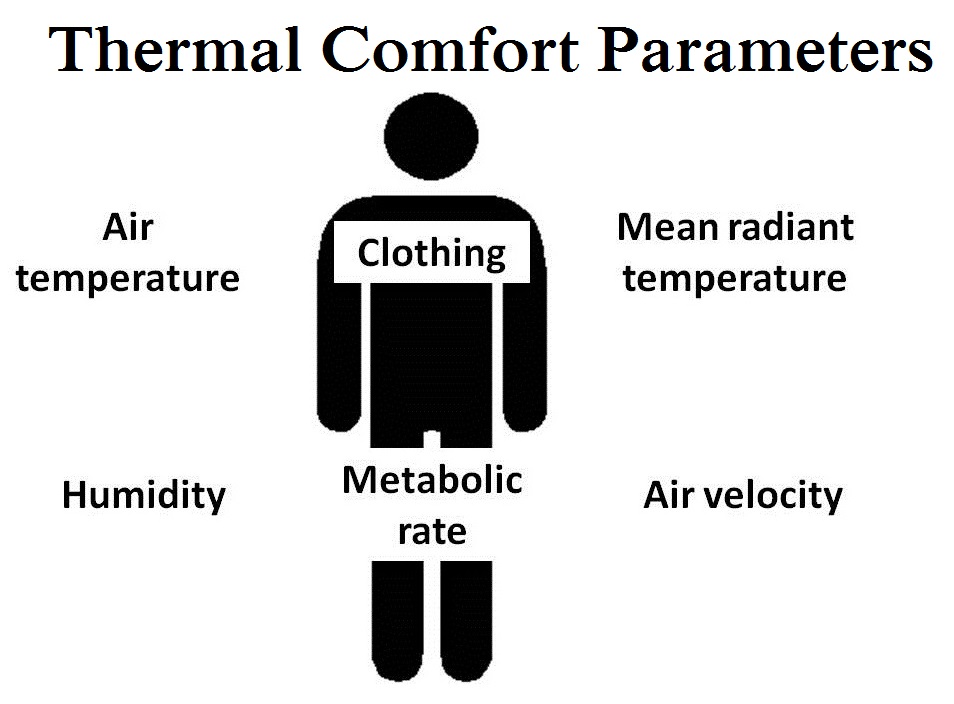
Thermal comfort is human being’s thermal sensation of the surrounding environment, which express the level of satisfaction of thermal environment. Comfort in public transportation buses is highly required in order to make a safe and comfortable journey to the public throughout their ride. Apart from physical comfort, thermal comfort is another very important fact to be maintained properly. Especially in Sri Lanka, there are very few of related guidelines have been formed and executed. Hence the attitude of public transportation buses among public has not been good for years. Thermal comfort inside normal buses has been very low while it has been considerably not convenient inside A/C buses. Significant public complaints have already been made and adequate conventions have not been formed or executed in order to improve thermal comfort of bus passengers. Research has been carried out with relation to the thermal comfort are very few in Sri Lanka. Researches with relation to thermal comfort of bus passengers had never been carried out so far according to the referred literature in Sri Lanka. Though there are several researches have been carried out in foreign countries, for a better approach country based research is required. Thus there is a clear need of engineering analysis on this matter to come up with some appropriate set of solutions. It has motivated the research project “improving thermal comfort of bus passengers in Sri Lanka.”